
UN Experts Call for Halt to Executions in Saudi Arabia and Release of Arbitrarily Detained Prisoners
United Nations human rights experts have stressed the need for an immediate halt to executions and the unconditional release of death-row prisoners whose detention has been found to be arbitrary. They also called on Saudi authorities to provide compensation and reparations to victims and the families of those executed, in accordance with international law.
These demands were outlined in a statement issued by the experts on 9 October 2026, marking the World Day Against the Death Penalty. The statement highlighted several cases in which the UN Working Group on Arbitrary Detention had previously issued opinions confirming the arbitrary nature of the individuals’ detention.
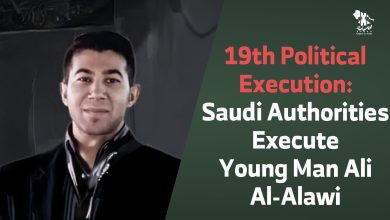
Among those named in the statement were three individuals executed by Saudi authorities: Hussein Abu Al-Khair, Jalal Al-Labbad, and Abdullah Al-Darazi.
Eight others remain at risk of execution: Abdullah Al-Huwaiti, Mohammed Al-Ghamdi, Saud bin Mohammed bin Ali Al-Faraj, Yousef Mohammed Mahdi Al-Manasif, Jawad Abdullah Qararish, Hassan Zaki Al-Faraj, Mohammed Al-Labbad, and Mohammed Abdullah Al-Faraj.
The experts emphasized that the continued detention of individuals whose imprisonment has been formally determined to be arbitrary, while they face the risk of execution, requires urgent measures to protect their right to life and ensure access to justice and remedies.
The experts expressed grave concern over the continued imposition of death sentences in cases involving serious violations of fair-trial guarantees, including torture, ill-treatment, enforced disappearance, coerced confessions, denial of effective legal representation, restrictions on the right to appeal, and political interference in judicial proceedings.
The statement stressed that international law restricts the death penalty to the most serious crimes, namely those involving intentional killing. The experts warned that imposing capital punishment for drug-related offenses or in political and religious cases violates international human rights standards.
They also warned that the widespread or systematic use of the death penalty in violation of fundamental principles of international law could amount to the crime against humanity of murder.