
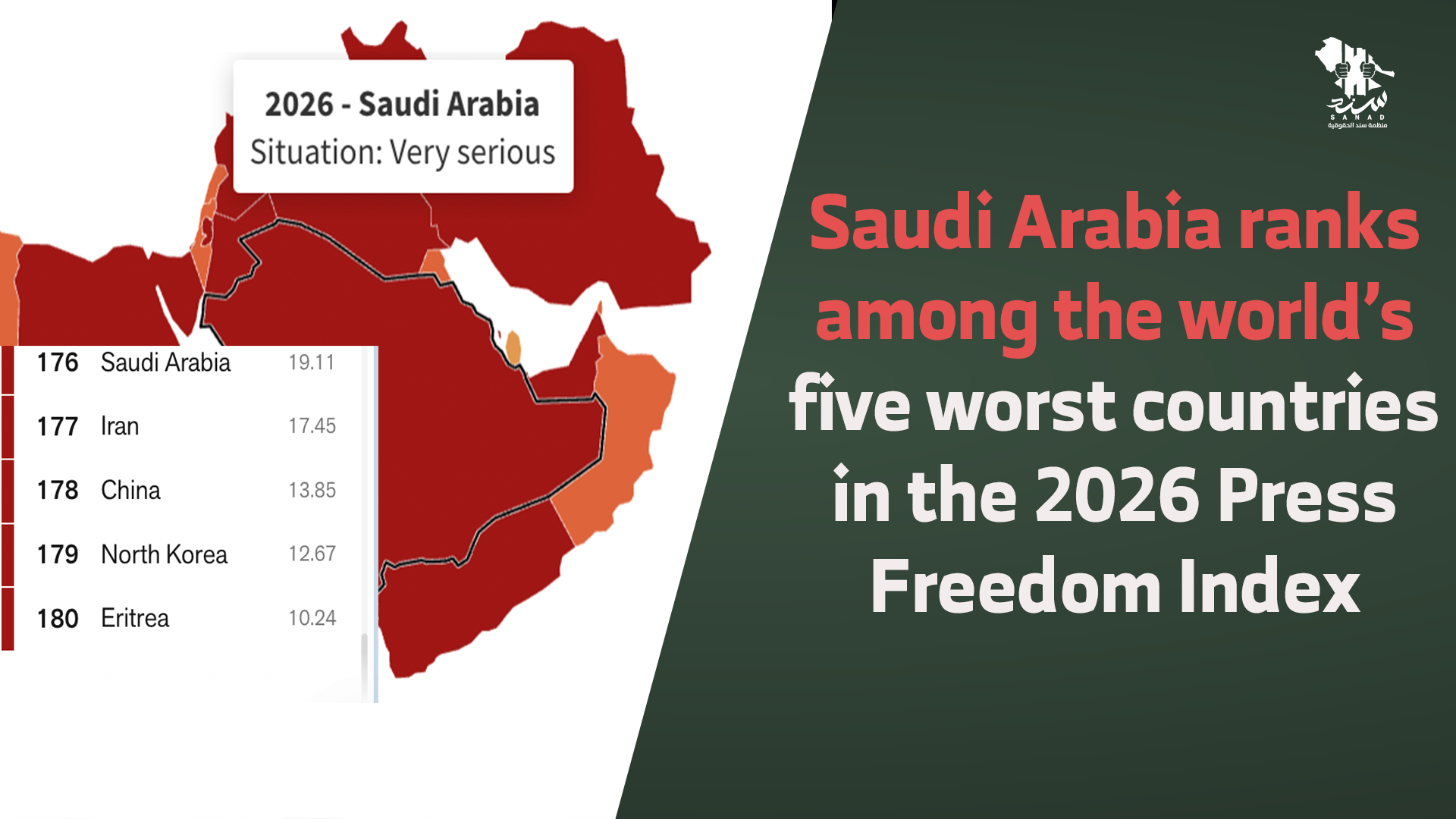
Saudi Arabia ranks among the world’s five worst countries in the 2026 Press Freedom Index
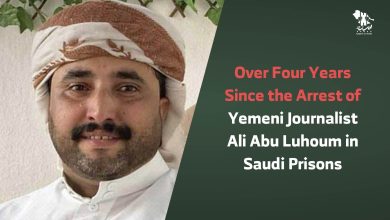
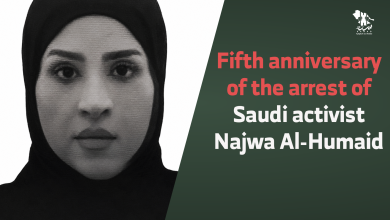
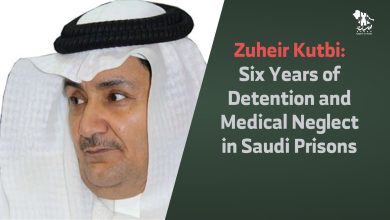
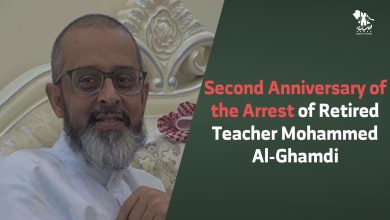
In a new setback exposing the reality of repression in the Kingdom, Saudi Arabia fell to 176th out of 180 countries in the 2026 World Press Freedom Index issued by Reporters Without Borders (RSF), placing it among the five worst countries globally for press freedom. This marks a sharp decline from its 162nd ranking last year, reflecting escalating systematic repression and reinforcing its position among the world’s most hostile regimes toward journalism and media freedoms.
RSF’s report stated that free media is nearly nonexistent in Saudi Arabia, where press institutions remain under strict state control, while journalists inside and outside the country face heavy surveillance and ongoing persecution. Despite official claims of social reforms, several journalists remain imprisoned, and the media environment continues to enforce self-censorship and strict adherence to the state’s official narrative.
The report noted that Saudi media, including privately funded outlets, remains subject to direct government direction through official state channels, with local journalism divided into state-aligned trends and virtually no real space for editorial independence. Journalists who deviate from the official narrative—or even maintain neutrality—risk accusations of treason or threatening state security.
Legally, Saudi authorities continue using counterterrorism and cybercrime laws to criminalize freedom of expression, with journalists and activists facing harsh prison sentences that can extend for decades over tweets or political opinions. Since 2018, these laws have been increasingly used to tighten control over public discourse.
The report also highlighted state dominance over the media sector through funding and directing major media groups to serve the Kingdom’s political interests, strengthening the monopoly of the official narrative both domestically and internationally.
In a particularly alarming development, the report referenced the execution of journalist Turki Al-Jasser in 2025, marking an unprecedented escalation against journalists since the 2018 murder of Jamal Khashoggi. It also documented ongoing digital surveillance campaigns and the use of advanced spyware against dissident journalists in exile.
This dramatic decline in Saudi Arabia’s global ranking underscores a worsening reality of repression, even as the Kingdom seeks to portray itself internationally as an open and modern state, raising growing concerns over the future of independent journalism and human rights in Saudi Arabia.