
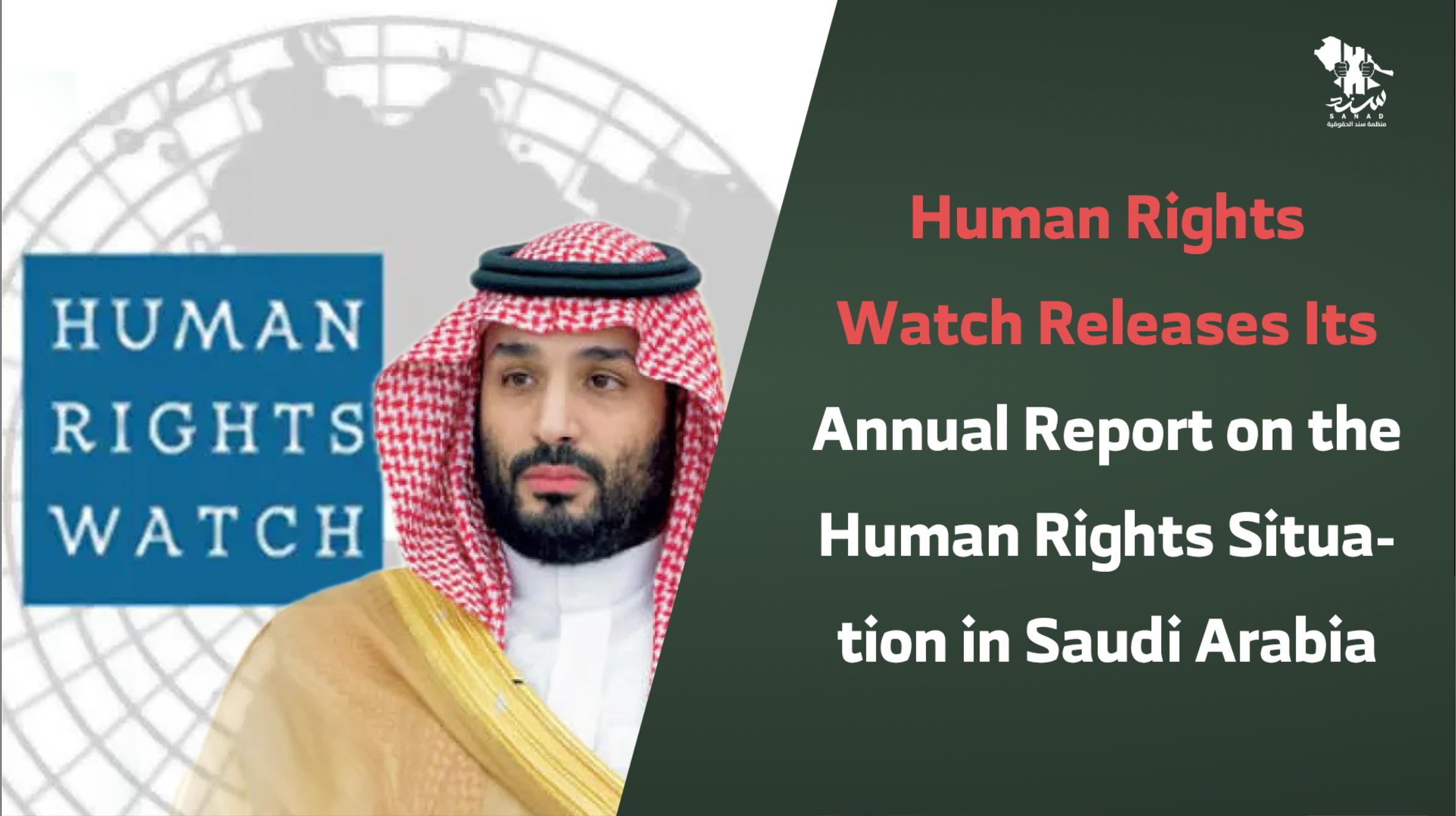
Human Rights Watch Releases Its Annual Report on the Human Rights Situation in Saudi Arabia
Human Rights Watch said in its annual report that Saudi authorities carried out an unprecedented wave of executions in 2025, following trials that largely failed to meet standards of fairness and due process, while continuing to suppress freedom of expression and arbitrarily detain dissidents and activists.
According to the report, Saudi authorities carried out at least 322 executions by early December 2025—the highest number recorded in the country’s modern history. The organization confirmed that among those executed were two individuals convicted of alleged crimes committed when they were under the age of 18, in direct violation of the international human rights law ban on executing children.
The report noted that more than half of those executed during the year were foreign nationals, and that at least 198 people were convicted of non-violent offenses, despite international standards limiting the use of the death penalty to the “most serious crimes.”
The report highlighted the execution of journalist Turki Al-Jasser on June 14, 2025, following a secret and unfair trial, describing his case as a dangerous indicator of the use of the death penalty as a tool to silence critical voices. The organization stressed that this case fits within a broader pattern of targeting journalists, activists, and peaceful dissidents with vague charges related to terrorism or national security.
It added that this pattern includes earlier cases, such as the execution of political analyst Abdullah Al-Shammari in 2024, and the continued threat of execution facing prominent clerics such as Salman Al-Ouda and Hassan Al-Maliki for peacefully exercising their right to freedom of expression.
Unfair Trials and Confessions Extracted Under Torture
Human Rights Watch documented Saudi courts’ reliance on confessions suspected of being obtained under torture, and the denial of defendants’ basic rights to defense and legal representation, making fair trials nearly impossible. The organization said that using the death penalty in such circumstances constitutes a grave violation of the right to life.
Limited Releases Amid Continued Arbitrary Detention
The report welcomed the release of at least 44 detainees between December 2024 and February 2025, including Mohammed Al-Qahtani, Salma Al-Shehab, and Asaad Al-Ghamdi, but emphasized that these steps were not accompanied by structural reforms. Many people remain arbitrarily detained, and those released continue to face severe restrictions, including travel bans and surveillance.
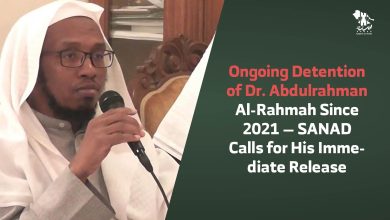
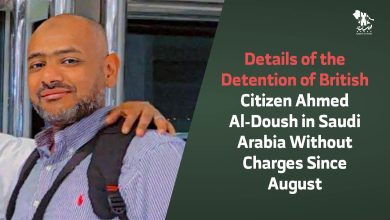
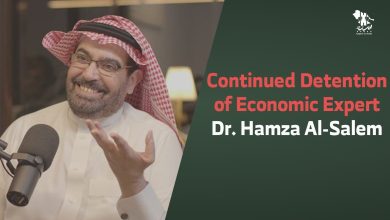
The organization also confirmed the continued detention of prominent human rights defenders such as Waleed Abu Al-Khair, and the ongoing use of counterterrorism and cybercrime laws to silence peaceful opposition, as well as the targeting of dissidents’ family members as a means of pressure and retaliation.
Widespread Abuses Against Migrant Workers
The report documented the persistence of serious abuses against migrant workers, including wage theft, dangerous working conditions, and preventable workplace deaths, amid authorities’ failure to investigate and ensure accountability—particularly as Saudi Arabia prepares to host the 2034 FIFA World Cup.
In conclusion, Human Rights Watch called on Saudi authorities to immediately halt executions, unconditionally release all those detained for peacefully exercising their rights, and ensure that national laws and practices are aligned with Saudi Arabia’s international human rights obligations.