
UN Report Reveals Saudi Arabia Used Coercion and Threats to Obtain Confessions in Death Penalty Cases
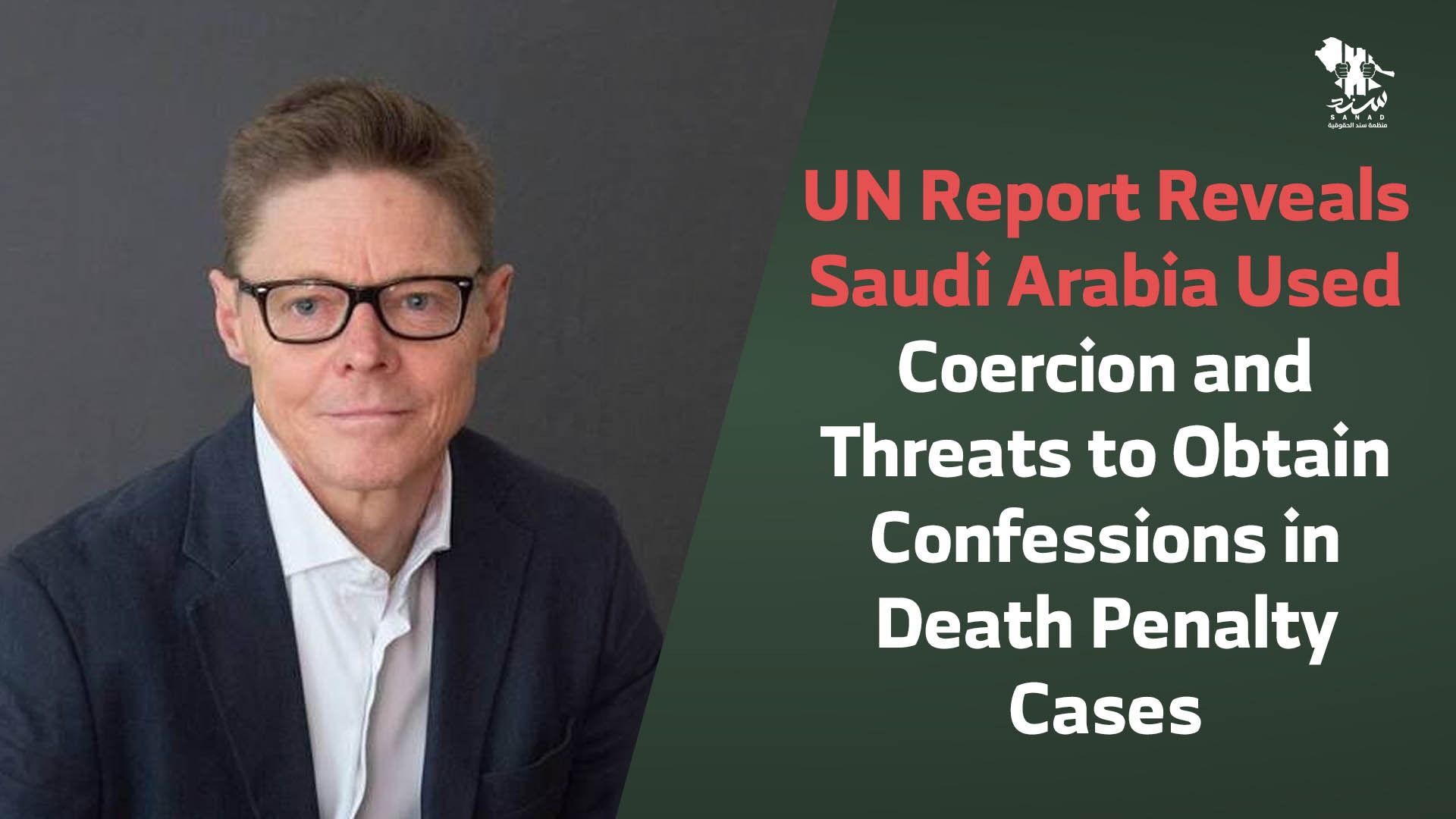
UN Special Rapporteur on extrajudicial, summary or arbitrary executions, Morris Tidball-Binz, stated that Saudi authorities pressured some detainees in death penalty cases to withdraw allegations of torture, linking such withdrawals to the continuation of legal proceedings against them.
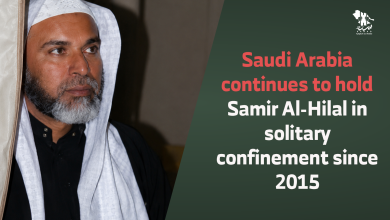
In a report presented to the Human Rights Council, the Special Rapporteur said Saudi authorities used prolonged solitary confinement, coercion, and threats against detainees’ family members to force confessions that were later used in proceedings resulting in death sentences.
He described these practices as part of a broader pattern of abuses associated with the death penalty, stressing that confessions obtained under pressure or threats undermine the integrity of judicial proceedings and lead to death sentences based on evidence tainted by torture or ill-treatment.
The report warned that abuses in death penalty cases extend from arrest and interrogation through trial, appeal, and detention on death row, with each stage becoming a source of severe physical and psychological suffering, particularly when combined with isolation, lack of information, fear of execution, and pressure on families.
The Special Rapporteur called on countries that continue to apply the death penalty, including Saudi Arabia, to immediately halt executions, refrain from issuing new death sentences, and review and overturn death penalty convictions linked to allegations of torture, secret detention, incommunicado detention, or fair trial violations.